Myth-Busting Pool Maintenance: Separating Fact from Fiction


Swimming pools are a source of fun, relaxation, and exercise, but maintaining them can sometimes seem daunting. With so much advice floating around, it's easy to get lost in the sea of myths. Let's dive into some common misconceptions and set the record straight.
Myth: Pools Need Daily Shocking
One common myth is that swimming pools need to be shocked with chemicals every day to stay clean. While regular maintenance is crucial, over-shocking can actually do more harm than good. Frequent shocking can lead to high chlorine levels, which can irritate skin and eyes.
Instead of daily shocking, it's advisable to shock your pool once a week or after heavy usage. Keep an eye on chlorine levels and adjust as necessary to maintain a safe and pleasant swimming environment.
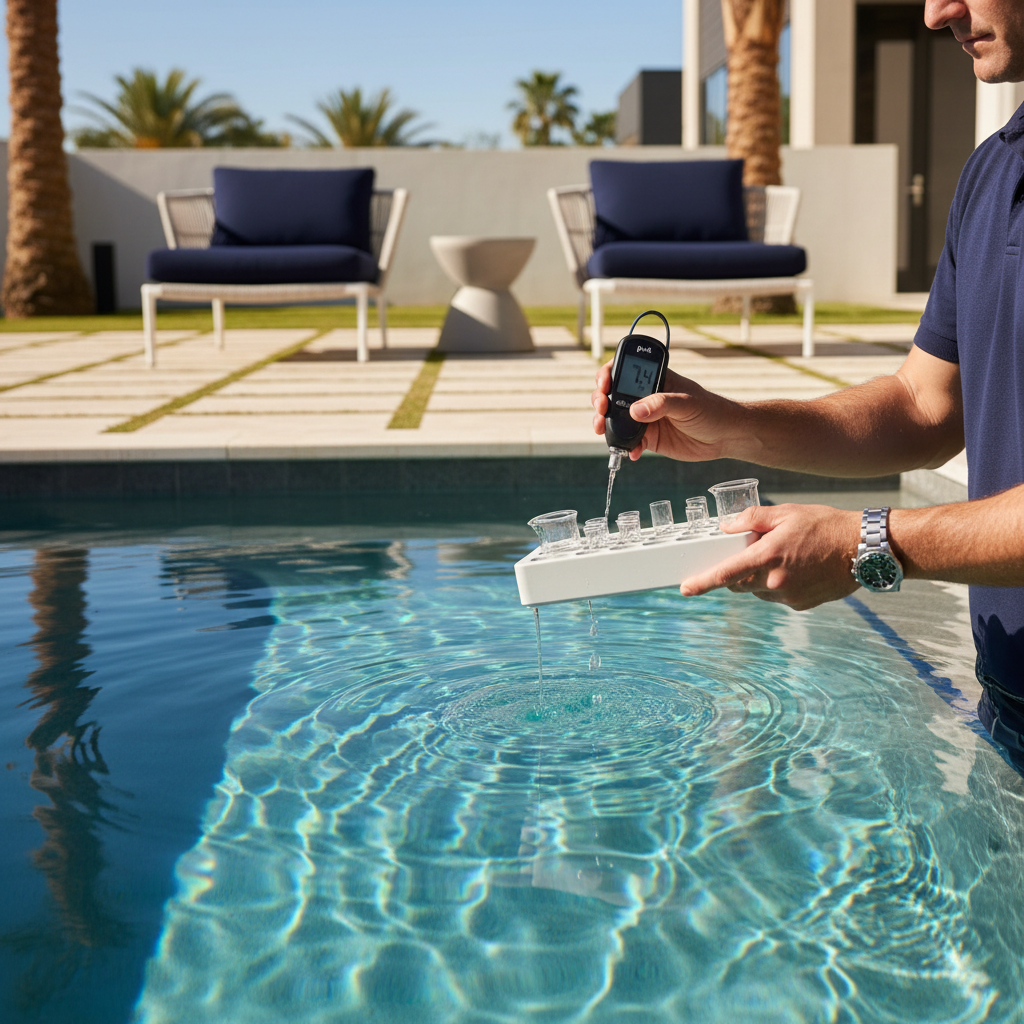
Myth: Clear Water Equals Clean Water
Another prevalent belief is that if the water looks clear, it's clean and safe. Unfortunately, this is not always the case. Clear water can still harbor bacteria and harmful microorganisms.
Regularly testing the water for pH, chlorine, and alkalinity levels is essential. Maintaining the correct balance ensures that your pool is both visually appealing and safe for swimmers.
Testing and Balancing
Invest in a reliable pool testing kit and make testing a routine part of your pool maintenance. Adjust chemical levels as needed to keep your pool healthy and safe.

Myth: Saltwater Pools Are Maintenance-Free
Saltwater pools have gained popularity due to their softer water feel, but the misconception that they are maintenance-free is misleading. While they require less chlorine, saltwater pools still need regular upkeep.
- Check the salt levels frequently.
- Monitor the chlorine generator to ensure it's functioning correctly.
- Regularly inspect and clean the pool's surfaces and equipment.

Myth: Pool Covers Eliminate All Maintenance
Pool covers are great for keeping out debris and reducing evaporation, but they don't eliminate the need for regular maintenance. Even with a cover, you should still monitor chemical levels and clean the pool.
Using a pool cover can indeed reduce the frequency of some tasks, but it doesn’t replace the need for a consistent maintenance routine.
Benefits of Pool Covers
While they don't eliminate maintenance, pool covers offer several advantages, such as energy savings and reduced chemical usage. They are a valuable addition to any pool owner's toolkit.

Conclusion
Understanding the truth behind these common myths can help you maintain a healthy and inviting pool all season long. By sticking to a balanced maintenance routine and being aware of the real needs of your pool, you can ensure that your pool remains a source of joy rather than a source of stress.
Remember, informed maintenance leads to a more enjoyable and longer-lasting pool experience. Dive in with confidence and enjoy your well-maintained pool!